
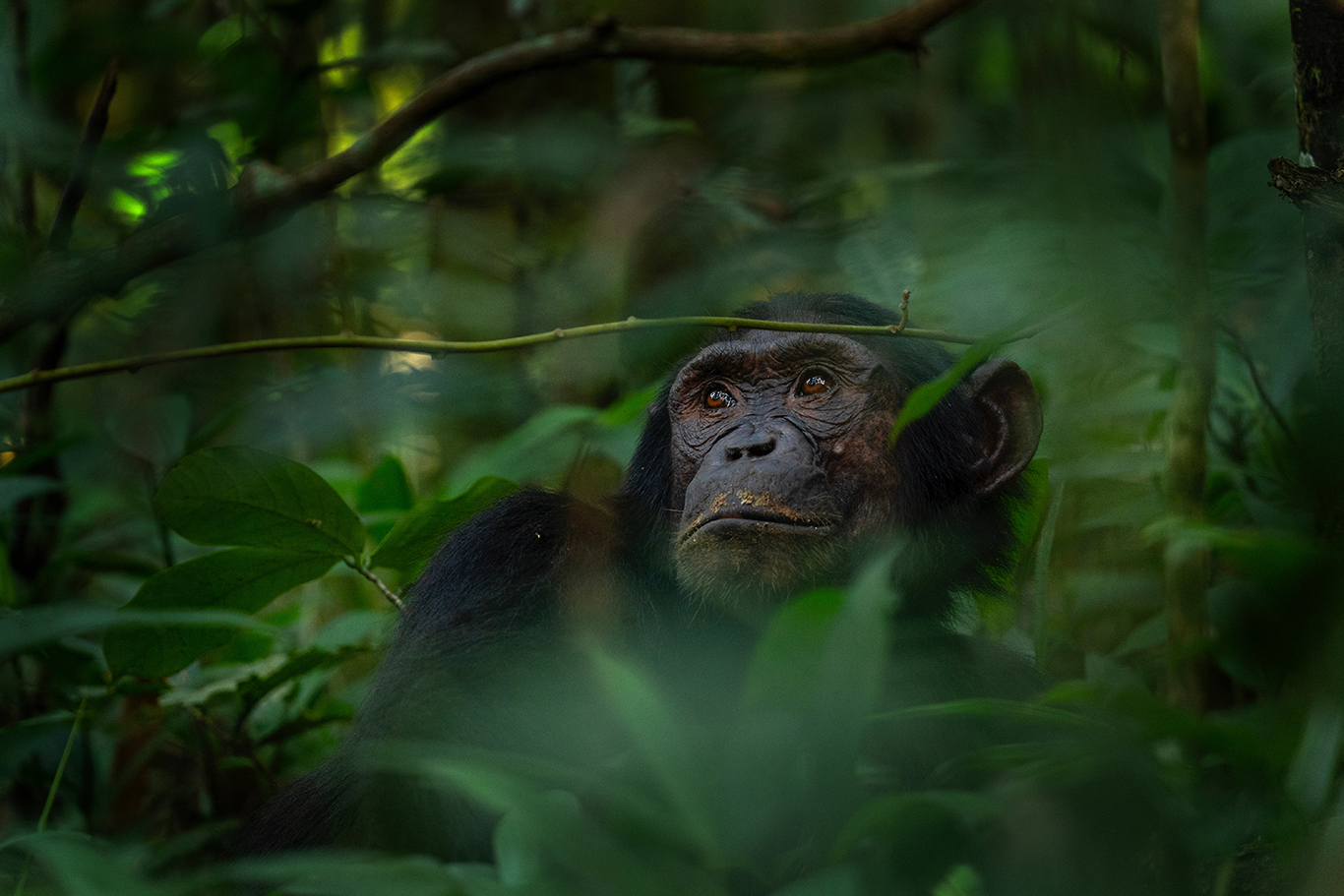
Introduction to Jane Goodall and her work with chimpanzees
Jane Goodall is a name synonymous with compassion, intelligence, and pioneering research. For over six decades, she has captivated the world with her groundbreaking work studying chimpanzees in their natural habitats. Her dedication to understanding these remarkable creatures goes far beyond just observation; it encompasses a profound commitment to protecting them and their environment. As we dive into Jane’s incredible life and legacy, we will explore how her passion for chimpanzees not only transformed our understanding of primates but also ignited global conversations about conservation and animal welfare. Prepare to be inspired by the journey of a woman who became an icon in the field of primatology!
Early life and education
Jane Goodall was born on April 3, 1934, in London. From a young age, she had an insatiable curiosity about the natural world. Her fascination with animals began when she received a stuffed chimpanzee named Jubilee for her birthday.
Encouraged by her mother to follow her dreams, Jane spent hours observing wildlife in their backyard. Nature sparked her imagination and shaped her future aspirations. She devoured books about animals and longed to visit Africa.
After finishing high school, she took a job as a secretary but yearned for something more meaningful. At just 26 years old, Jane seized an opportunity to travel to Tanzania. This journey would change not only her life but also the understanding of chimpanzees forever.
Her academic path wasn’t conventional; she lacked formal training in primatology yet possessed relentless determination and passion that set the stage for groundbreaking discoveries ahead.
Her groundbreaking research at Gombe Stream National Park
Jane Goodall’s groundbreaking research at Gombe Stream National Park marked a pivotal moment in the field of primatology. Arriving in Tanzania in 1960, she began her observations with unwavering dedication.
Goodall immersed herself in the daily lives of chimpanzees, documenting their behaviors and interactions. She discovered that they used tools—something previously believed to be exclusive to humans. This revelation challenged long-held perceptions about animal intelligence.
Her meticulous notes revealed complex social structures within chimpanzee communities. The bonds formed between individuals showcased emotions like grief and joy, further bridging the gap between human and animal behavior.
Through her work, Jane highlighted not only the unique qualities of chimpanzees but also emphasized their need for protection. Her findings have inspired countless conservation efforts aimed at preserving these remarkable creatures and their natural habitats.
Discoveries and observations about chimpanzee behavior and intelligence
Jane Goodall’s pioneering observations revealed astonishing insights into chimpanzee behavior. She documented their use of tools, such as sticks for termite fishing. This groundbreaking evidence challenged the preconceived notion that tool-making was a trait unique to humans.
Goodall also discovered complex social structures among these primates. Chimpanzees exhibit emotions akin to ours—joy, sorrow, and empathy. They form deep bonds with one another, nurturing relationships within families and communities.
Her studies highlighted the importance of play in chimpanzee development. Young chimps engage in playful antics that help them learn essential survival skills and strengthen social ties.
Additionally, Jane observed communication through vocalizations and gestures, showcasing their rich emotional lives. These findings not only shifted our understanding of intelligence but also fostered greater appreciation for protecting chimpanzees in their natural habitats.
The creation of the Jane Goodall Institute and its impact on conservation efforts
The Jane Goodall Institute was established in 1977, driven by Jane’s passion for chimpanzees and their conservation. It aimed to protect these remarkable creatures while promoting a better understanding of their needs.
Through research, education, and community-centered programs, the institute has made significant strides in protecting chimpanzees both locally and globally. Its efforts extend beyond just wildlife protection; they empower local communities to engage with sustainable practices that benefit both humans and animals.
The impact is profound. By fostering partnerships with various organizations, the institute has championed vital conservation initiatives across Africa. Their work emphasizes habitat preservation as crucial for the survival of not only chimps but other species too.
Moreover, through educational outreach programs, they inspire future generations to care about wildlife welfare and environmental stewardship. This holistic approach creates ripples far beyond the immediate goals of saving chimpanzees.
Advocating for animal welfare and environmentalism
Jane Goodall has always been a fierce advocate for animal welfare and environmental conservation. Her passion drives her efforts to bridge the gap between humanity and nature.
Through her work, Jane emphasizes that protecting chimpanzees is essential not just for their survival but also for the health of our ecosystems. She speaks out against habitat destruction, urging people to recognize the interconnectedness of all living beings.
Her message extends beyond primates to include every creature facing threats from human activities. By promoting sustainable practices, she inspires action towards preserving biodiversity.
Goodall’s approach encourages individuals to take responsibility for their impact on the planet. Whether through education or activism, she empowers others to join in this vital mission.
This focus on compassion resonates deeply with communities worldwide, fostering a collective commitment toward nurturing our environment and its inhabitants.
Legacy and ongoing work in the field of primatology
Jane Goodall’s legacy is woven deeply into the fabric of primatology. Her meticulous fieldwork established a new standard for studying animal behavior, particularly in understanding our closest relatives—chimpanzees.
Today, her influence extends beyond academia. Researchers continue to build on her foundational discoveries about tool use and social structures among chimpanzees. These studies reshape how we view intelligence across species.
The Jane Goodall Institute continues to champion these ideals, promoting conservation initiatives worldwide. It empowers communities to engage with their environments sustainably while protecting chimpanzees from poaching and habitat destruction.
Goodall remains an active voice in scientific circles, frequently speaking at conferences and engaging with young scientists. Her commitment inspires future generations of researchers dedicated to ethology and wildlife conservation efforts globally.
Her work reminds us that every small action contributes significantly toward safeguarding biodiversity on our planet.
Conclusion: Jane Goodall’s enduring impact on our understanding of chimpanzees
Jane Goodall’s contributions to our understanding of chimpanzees and their behavior have reshaped the field of primatology. Her innovative research methods allowed us to see these remarkable creatures not just as animals, but as beings with complex emotions and social structures.
Through her work at Gombe Stream National Park, she uncovered behaviors that challenged long-standing beliefs about the divide between humans and other species. She demonstrated that chimpanzees use tools, exhibit empathy, and form deep social bonds—similar traits we often consider uniquely human.
The establishment of the Jane Goodall Institute has had a profound impact on protecting chimpanzees and promoting conservation efforts worldwide. This organization continues to advocate for animal welfare while addressing broader environmental issues affecting both wildlife and humanity.
Goodall’s dedication extends beyond scientific inquiry; it is rooted in a passionate commitment to advocacy. By educating others about the importance of preserving habitats and protecting endangered species, she inspires countless individuals across generations.
Today, her legacy lives on through ongoing research initiatives and educational programs aimed at fostering a better understanding of our planet’s biodiversity. The ripple effect of her life’s work can be felt far beyond the world of science; it touches hearts everywhere by encouraging compassion for all living beings.
As we reflect on Jane Goodall’s life and legacy, it’s clear that her influence will continue shaping our relationship with nature for years to come. She reminds us that every action matters when it comes to safeguarding our planet—and its inhabitants—for future generations.