
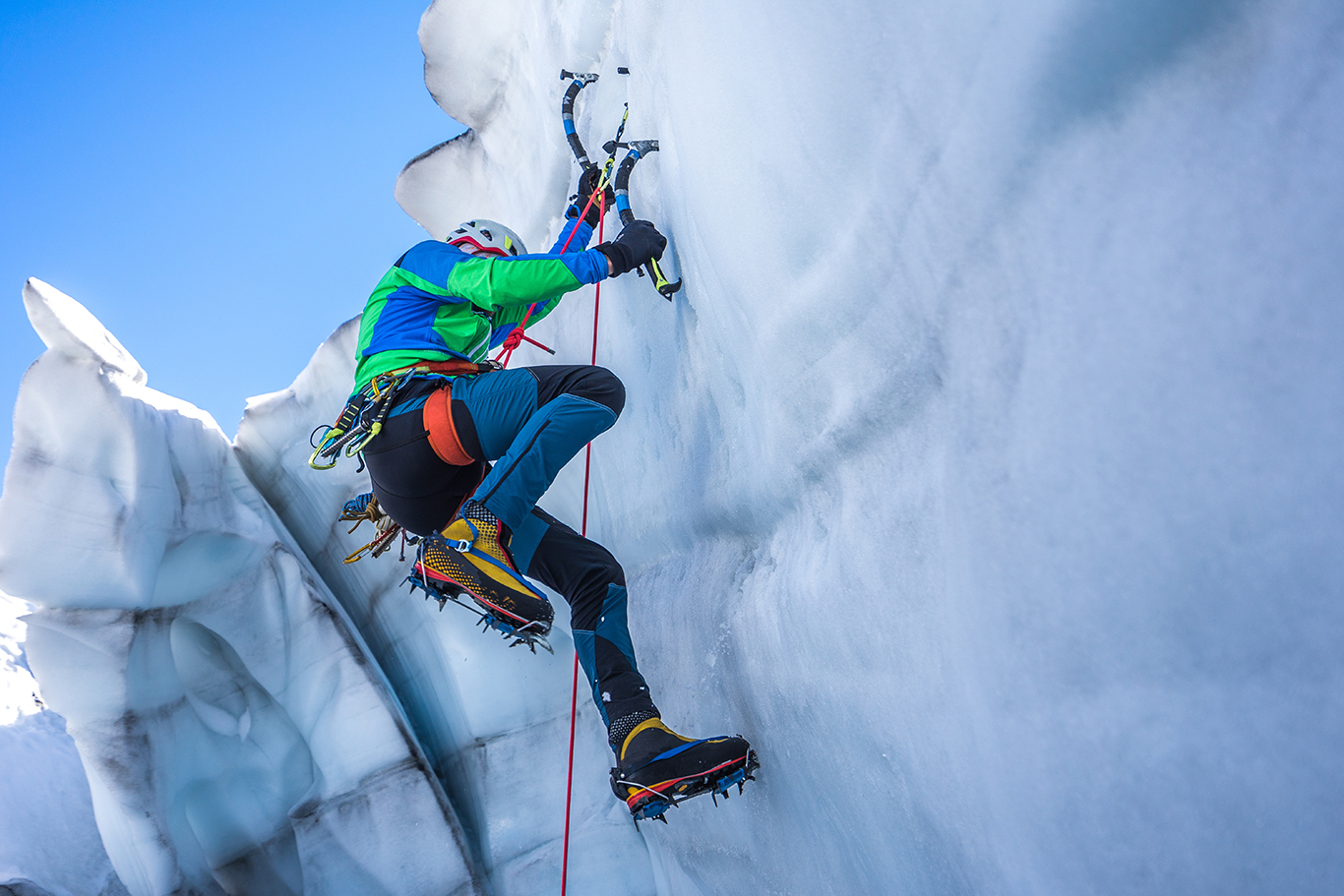
Introduction to Ice Climbing
Imagine standing at the base of a towering ice wall, the sun glinting off its crystalline surface. Your heart races as you strap on your crampons and reach for your ice axes. This is not just any adventure; this is ice climbing, where raw beauty meets adrenaline in a breathtaking dance.
Ice climbing takes you to some of the most stunning landscapes on Earth—from frozen waterfalls cascading down rocky cliffs to icy mountain faces that challenge even seasoned climbers. For those who crave excitement and an escape into nature’s wonders, this thrilling pursuit offers both.
Whether you’re curious about how to get started or looking for the best places to conquer these icy giants, there’s much to explore in this rarefied world. Grab your gear and let’s delve into everything you need to know about this exhilarating sport!
History of Ice Climbing
Ice climbing has roots that stretch back centuries. Early climbers relied on simple tools to ascend frozen waterfalls and steep ice formations. This primal pursuit was often driven by necessity or exploration.
The modern era began in the late 19th century, when mountaineers sought new challenges during winter months. Pioneers like Hermann Buhl pushed boundaries using rudimentary gear, laying the groundwork for what we know today.
As techniques evolved, so did equipment technology. The introduction of specialized axes and crampons transformed ice climbing into a distinct discipline. Climbers could now tackle vertical ice with greater confidence and efficiency.
In recent decades, this exhilarating sport has surged in popularity. Ice festivals and competitions have sprouted across continents, fostering a vibrant community of enthusiasts eager to share their passion for the icy heights.
Types of Ice Climbing
Ice climbing can be broadly categorized into several types, each offering its own unique challenges and thrills.
Traditional ice climbing involves using natural ice formations like frozen waterfalls or glaciers. Climbers rely on techniques such as placing ice screws for protection while ascending these striking formations.
Mixed climbing combines both rock and ice elements. Here, climbers utilize tools to grip both icy surfaces and rocky terrain, demanding adaptability and skill in two different environments.
Dry tooling is a more technical discipline where climbers ascend rock faces with only specialized gear designed for securing onto bare stone surfaces—this is often seen in competitive settings.
Alpine climbing merges various conditions found in high-altitude areas. It may include snow, ice, or mixed terrain while requiring comprehensive knowledge of weather patterns and vertical navigation skills. Each type offers distinct experiences that draw enthusiasts back to the mountains time after time.
Necessary Equipment for Ice Climbing
When venturing into ice climbing, having the right equipment is crucial. First, sturdy ice axes are essential for both climbing and self-arresting. They should feel comfortable in your hands.
Crampons add grip to your boots, allowing you to tackle icy surfaces with confidence. Look for a good fit that complements your footwear.
A harness keeps you secure while scaling steep walls or frozen waterfalls. Choose one designed specifically for winter conditions; it makes a difference when temperatures drop.
Don’t forget about ropes! Dynamic ropes absorb shock during falls, providing an added layer of safety on precarious climbs.
Protective gear like helmets and gloves cannot be overlooked. A helmet shields against falling debris while gloves provide warmth and dexterity during climbs.
Packing these essentials ensures you’re prepared for whatever challenges lie ahead on the ice.
Physical and Mental Preparation for Ice Climbing
Preparing your body for ice climbing requires a blend of strength, endurance, and flexibility. Focus on building core stability through exercises like planks and leg raises. This foundation supports you as you navigate vertical terrains.
Cardiovascular training is equally essential. Activities such as running or cycling enhance your stamina, allowing you to climb longer without fatigue. Incorporate high-intensity interval training for bursts of energy similar to what you’ll need while scaling icy walls.
Mental preparation shouldn’t be overlooked either. Visualization techniques can help ease anxiety and boost confidence before tackling challenging routes. Picture yourself successfully completing climbs in various conditions.
Stay aware of the psychological aspects too; fear management plays a significant role in ice climbing success. Practicing mindfulness techniques can ground you during intense moments on the ice, keeping your focus sharp and steady when it matters most.
Safety Precautions and Techniques
Safety is paramount when ice climbing. The conditions can change rapidly, so being prepared is crucial. Always check the weather forecast before you head out. Ice conditions vary depending on temperature and recent precipitation.
Wearing a helmet is essential to protect against falling ice or gear. Also, ensure your harness fits correctly and is secured properly before starting your ascent.
Using proper techniques for placing protection can save lives. Learn how to place ice screws efficiently; they are your lifeline in tricky sections.
Communicating with your climbing partner is vital as well. Establish signals for when you’re ready to climb or if you need assistance.
Always carry a first aid kit tailored for mountain emergencies. Familiarize yourself with basic rescue techniques, just in case an unexpected situation arises during your adventure on the ice face.
Popular Ice Climbing Destinations around the World
When it comes to ice climbing, the world offers breathtaking venues that attract adventurers from all walks of life.
One iconic destination is the frozen waterfalls of Ouray, Colorado. Known as the “Ice Climbing Capital of America,” its challenging routes and stunning scenery make it a must-visit for enthusiasts.
For those seeking international thrills, Chamonix in France boasts some of Europe’s finest ice climbs. The dramatic peaks and diverse routes cater to both beginners and seasoned climbers.
Then there’s Canada’s Yoho National Park, home to ethereal ice formations that draw climbers eager for exploration amidst serene wilderness.
In Argentina, El Chaltén provides pristine glacial conditions with views that are nothing short of magical.
Each location brings unique challenges and unforgettable experiences—the heart-pounding thrill combined with nature’s beauty creates an adventure like no other.
Personal Experiences from Experienced Ice Climbers
Experienced ice climbers often describe their journeys with a mix of exhilaration and humility. The sound of an axe biting into the frozen surface is music to their ears, echoing against the stark backdrop of icy cliffs.
One passionate climber recalls his first ascent. The initial fear was palpable, but as he found his rhythm, pure joy replaced it. Each swing felt like unlocking nature’s puzzle.
Another seasoned adventurer shares tales from remote destinations where she faced not only challenging routes but also unpredictable weather conditions. Her lessons were hard-earned: patience and adaptability are crucial in this sport.
There’s camaraderie among climbers too. Sharing stories around a campfire after a day on the ice creates bonds that last beyond the mountains themselves. It’s these personal experiences that paint a vivid picture of what it truly means to embrace ice climbing’s challenges and rewards.
Conclusion: The Thrill and Beauty of Ice Climbing
Ice climbing is a mesmerizing blend of adventure and artistry. The thrill of scaling frozen waterfalls or sheer ice walls pushes climbers to their limits, both physically and mentally. It offers an escape into nature’s stunning winter landscapes, where the air is crisp and the serenity overwhelming.
Every ascent brings its own challenges. Climbers must respect the dangers of ice climbing while reveling in the beauty surrounding them. For those who have tasted this exhilarating sport, it’s more than just a hobby; it’s a passion that ignites with every climb.
As you consider where to ice climb next or how to prepare for your first pursuit into this rarefied world, remember that each journey begins with curiosity and courage. Whether you’re planning on seeking out new equipment to ice climb or learning techniques from seasoned veterans, there’s always something new waiting for you in this icy realm.
The allure of ice climbing lies not only in reaching great heights but also in embracing the unique experiences shared between fellow climbers amidst breathtaking vistas. So strap on your crampons, grab your tools, and get ready for an unforgettable adventure—after all, there’s nothing quite like standing atop a frozen precipice knowing you’ve conquered both fears and mountains alike.