
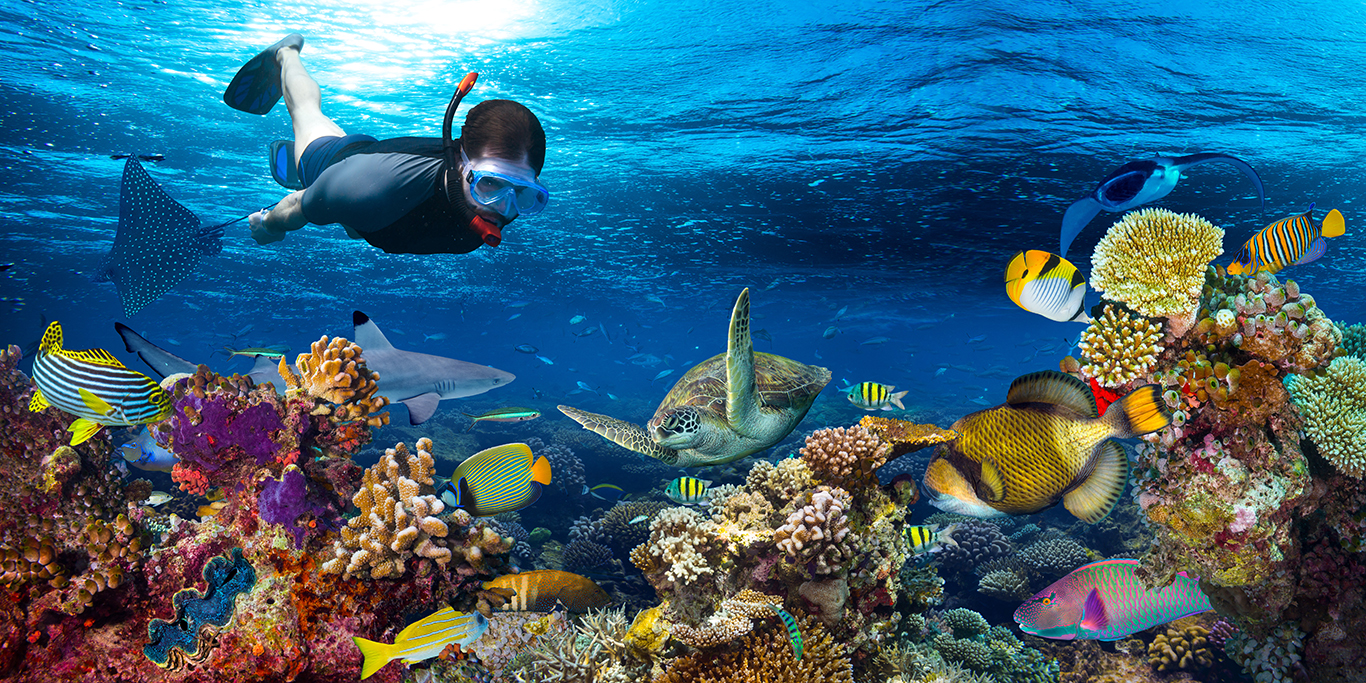
Embracing the Ocean One Breath at a Time
Free diving—a sport as ancient as humanity itself—has captivated the hearts of adventurers, thrill-seekers, and nature enthusiasts alike. Unlike scuba diving, where an intricate network of tanks and regulators ensures survival underwater, free diving relies on a single, unbroken breath. It is an elegant dance of human resilience, focus, and connection to the sea.
The Origins of Free Diving
Free diving has its roots in human history and culture. Thousands of years ago, pearl divers in Japan and Korea, known as “ama” and “haenyeo,” braved frigid waters to collect shellfish, seaweed, and pearls. Similarly, sponge divers in ancient Greece descended to remarkable depths to gather natural sponges from the seafloor. These early free divers relied on rudimentary techniques and an iron will to make their living from the ocean.
Today, while the necessity of diving for survival has largely receded, the art of free diving has transformed into a sport, an art form, and even a spiritual practice.
The Appeal of Free Diving
What draws people to this seemingly perilous activity? For some, it is the sheer thrill of plunging into the unknown, surrounded by the silence and stillness of the underwater world. For others, free diving offers a form of meditation—a unique opportunity to disconnect from the noise of modern life and tune into the rhythm of their own body.
Many free divers speak of a profound sense of freedom. The absence of bulky equipment allows for unencumbered movement, creating a feeling of merging with the ocean itself. There is also an undeniable allure in pushing the limits of human capability—whether it’s diving deeper, staying submerged longer, or achieving perfect control over one’s mind and body.
The Technique and Physiology Behind the Dive
Free diving requires intense physical preparation and mental discipline. Breathing techniques, such as diaphragmatic breathing and “purging,” are used to maximize oxygen intake before a dive. Divers also train to slow their heart rate and manage their body’s consumption of oxygen, a process known as the “mammalian dive reflex.”
This reflex, a feature shared with marine mammals, triggers physiological changes such as reduced heart rate, narrowed blood vessels, and redirected blood flow toward vital organs. It allows divers to extend their time underwater, making dives of several minutes or more possible.
Training for the Deep
Physical fitness is crucial for free divers. Strong core muscles and cardiovascular health help improve stamina and reduce the body’s oxygen demands. Equalization techniques are also essential for coping with the pressure changes experienced at depth; without effective equalization, a diver risks discomfort or injury.
However, mental preparation is just as vital. Fear and panic can rapidly deplete oxygen reserves, making the ability to remain calm under pressure a cornerstone of the sport. Visualization, meditation, and controlled breathing exercises are key components of a free diver’s mental toolkit.
Records and Achievements
Free diving has spawned a community of elite athletes who have pushed the limits of what the human body can achieve. The sport is divided into several disciplines, including static apnea (holding one’s breath for as long as possible), constant weight diving (descending and ascending with fins), and no-limits diving (using equipment like a weighted sled to descend and an air-filled balloon to ascend).
Notable achievements include Austrian diver Herbert Nitsch’s world record in no-limits free diving, reaching an astonishing 214 meters (702 feet) in depth, and Natalia Molchanova’s record for static apnea, holding her breath for an unimaginable 9 minutes and 2 seconds.
These feats are not just about breaking records but also about showcasing the physical and psychological endurance that defines free diving.
The Risks and Rewards
Free diving is not without its dangers. Hypoxia, or oxygen deprivation, can lead to blackouts, while barotrauma from pressure changes can cause severe injury. Even experienced divers must be vigilant about their limits and prioritize safety.
Yet, for those who practice it responsibly, the rewards are immense. Free divers often describe a state of euphoria, a profound connection to the ocean, and a deep sense of accomplishment. The sport also offers unparalleled opportunities to explore marine ecosystems—from vibrant coral reefs to the haunting depths of blue holes.
Free Diving as a Path to Conservation
In recent years, free divers have emerged as advocates for marine conservation. Spending so much time in the ocean fosters a unique appreciation for its beauty—and its fragility. Many divers use their platform to raise awareness about issues like overfishing, plastic pollution, and climate change.
By immersing themselves in the underwater world, free divers also serve as ambassadors for its protection, inspiring others to cherish and preserve the ocean’s treasures.
How to Start Free Diving
Free diving is not an activity to be taken lightly, but with the right training and guidance, it can be a safe and immensely rewarding experience. Beginners are encouraged to take professional courses that cover essential skills like breathing techniques, equalization, and safety protocols.
It’s also important to never dive alone. Having a trained buddy or instructor present ensures that any emergencies can be handled swiftly. Investing in quality gear, such as a wetsuit, weights, and a mask, can also enhance the experience.
The Ocean Awaits
Free diving is more than a sport; it’s a journey into the depths of human potential and the mysteries of the underwater world. It challenges us to confront our fears, embrace our limits, and immerse ourselves in the beauty of the ocean. Whether you’re a seasoned diver or a curious beginner, the call of the deep is one that promises adventure, discovery, and wonder.
So, take a deep breath—the ocean is waiting.