
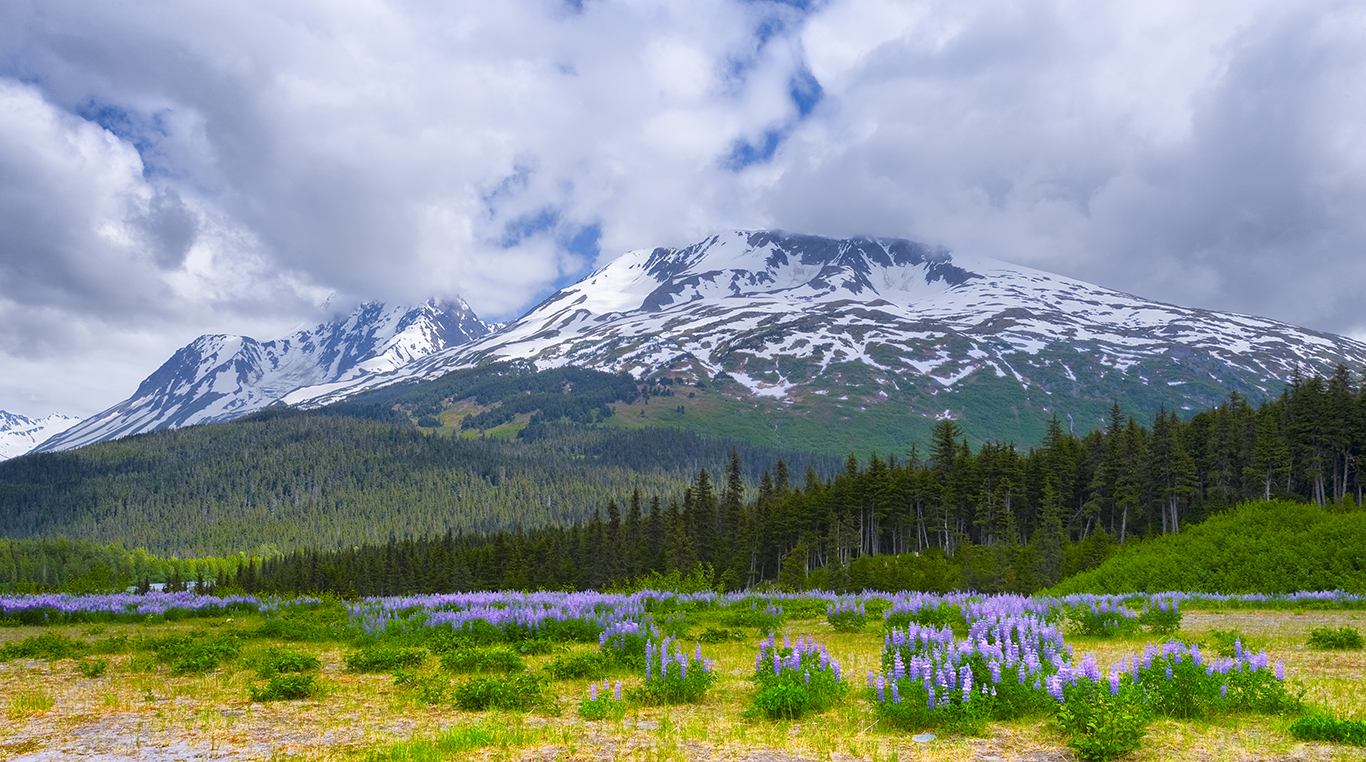
Imagine standing at the edge of a lush forest, where the air is crisp and filled with the scent of pine. Picture sprawling mountains that touch the sky, rivers that glisten in sunlight, and wildlife roaming freely in their natural habitats. These wild places are more than just beautiful landscapes; they are essential to our health, well-being, and survival. Yet they face unprecedented threats from climate change, pollution, and overdevelopment. As we navigate an increasingly urbanized world, it’s vital to recognize the importance of protecting these precious ecosystems not only for ourselves but also for future generations who deserve to experience nature’s wonders.
Let’s explore why safeguarding our wild places should be a priority and how our collective efforts can make a significant difference in preserving them for years to come.
The beauty and benefits of wild places
Wild places captivate us with their breathtaking beauty. Towering trees, vibrant flowers, and cascading waterfalls create a symphony of colors that soothe the soul. These landscapes are alive, teeming with diverse flora and fauna that thrive in harmony.
Beyond aesthetics, wild areas offer incredible benefits to our health. Spending time in nature has been shown to reduce stress and improve mental clarity. The tranquility found amidst untouched surroundings promotes relaxation and rejuvenation.
Moreover, these ecosystems play a crucial role in maintaining biodiversity. They provide habitats for countless species while ensuring ecological balance. Healthy wildlife populations contribute to resilient environments that can withstand change.
The air we breathe is cleaner thanks to forests filtering pollutants. Wetlands absorb excess water, reducing flood risks in nearby communities. Wild places aren’t just beautiful; they are vital for our survival and the planet’s overall health as well.
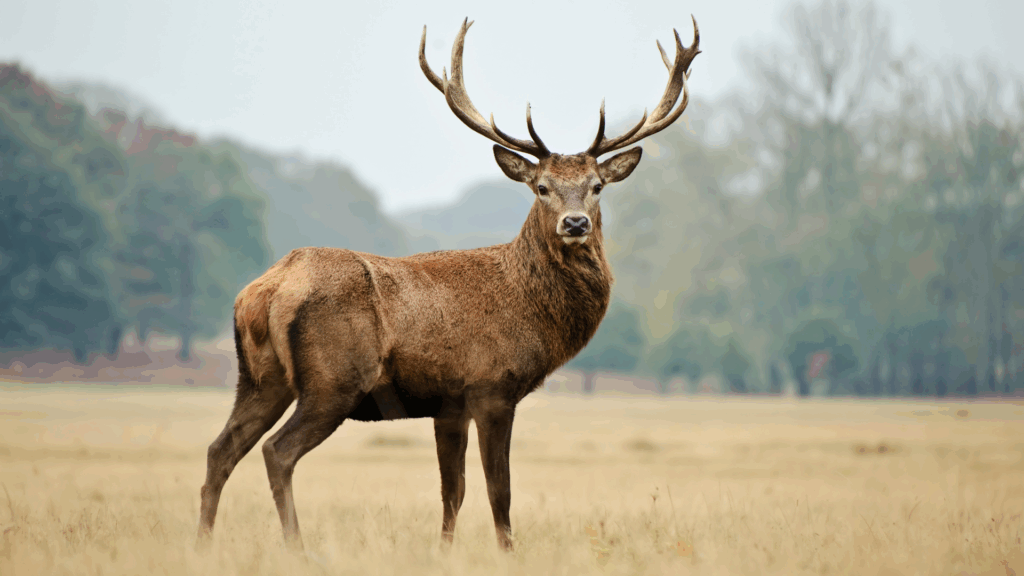
Threats to wild places: climate change, pollution, overdevelopment
Wild places face numerous threats that can compromise their beauty and ecological value. Climate change is at the forefront, causing shifts in weather patterns and altering habitats. Species struggle to adapt as temperatures rise, leading to decreased biodiversity.
Pollution further exacerbates these challenges. Chemicals and waste infiltrate pristine environments, harming wildlife and degrading air quality. Rivers once teeming with life now show signs of distress from industrial runoff.
Overdevelopment poses another significant risk. Expanding urban areas encroach on natural landscapes, fragmenting ecosystems essential for various species’ survival. This relentless march of concrete not only disrupts wildlife but also diminishes the green spaces we rely on for health and well-being.
Each threat compounds the others, creating a precarious situation for our planet’s wild places. The urgency to address these issues has never been more critical as we strive to protect what remains of our natural heritage.
The impact of losing wild places on wildlife and the environment
The loss of wild places dramatically affects wildlife populations. Natural habitats are shrinking, forcing animals into smaller territories. This can lead to increased competition for resources and a rise in conflicts between species.
Moreover, biodiversity suffers when ecosystems are disrupted. Each species plays a vital role in maintaining balance. When one disappears, the ripple effects can be devastating.
Environmental health also deteriorates with the disappearance of these areas. Wild spaces act as crucial carbon sinks, absorbing harmful emissions from our atmosphere. Their absence accelerates climate change.
Water quality declines when natural landscapes vanish too. Forests filter rainwater; wetlands purify runoff before it reaches streams and rivers. Without these protective systems, pollution levels rise significantly.
Losing wild places threatens not just wildlife but human communities as well. Our environment is interlinked; each piece holds importance for future survival.
Economic benefits of protecting wild places
Protecting wild places isn’t just about preserving beauty; it’s also a smart economic decision. When we safeguard these areas, we create opportunities for eco-tourism. Travelers flock to pristine landscapes, bringing revenue to local communities.
Beyond tourism, natural ecosystems provide invaluable resources. Forests filter our air and water, reducing the costs associated with pollution control. Healthy wetlands act as buffers against flooding, saving us from expensive disaster recovery efforts.
Additionally, biodiversity has direct economic implications. A rich variety of species can lead to discoveries in medicine and agriculture that benefit society as a whole. The genetic diversity found in nature fuels innovation across multiple industries.
Investing in wild places means investing in our future prosperity. Keeping these areas intact can lead to sustainable development and long-term job creation while ensuring that both people and wildlife thrive together harmoniously.
Efforts to protect and preserve wild places
Across the globe, conservation organizations are leading initiatives to safeguard wild places. These efforts often involve protecting ecosystems through national parks and wildlife reserves. By designating these areas as protected lands, we maintain biodiversity and support fragile habitats.
Community engagement is also vital. Many grassroots movements rally local residents to restore native species and combat invasive plants. Workshops educate individuals on sustainable practices that benefit both nature and their livelihoods.
Moreover, partnerships between governments and NGOs play a crucial role in preserving larger landscapes. Together, they can enforce policies that limit development in sensitive areas while promoting eco-friendly tourism.
Innovative funding solutions are emerging as well—such as carbon credits—that incentivize landowners to conserve rather than develop their properties. This approach aligns economic interests with environmental health, ensuring wild places remain vibrant for future generations.
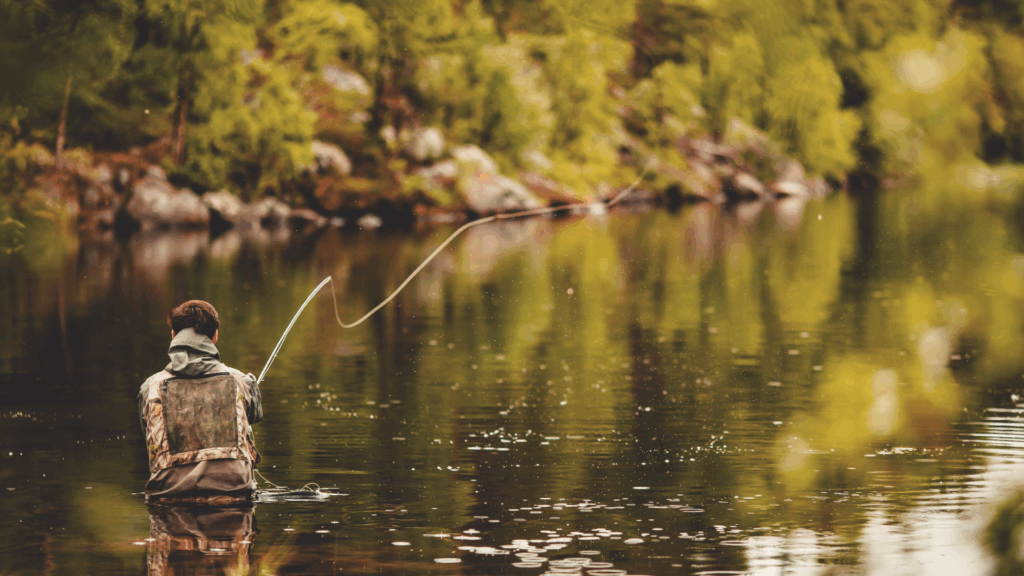
How individuals can help protect wild places
Every individual can make a significant impact on protecting wild places. Small actions, when multiplied by many, lead to real change.
Start by reducing your carbon footprint. Opt for public transport, bike rides, or even walking whenever possible. Each choice helps combat climate change and preserve natural habitats.
Support local conservation organizations. Volunteer your time or donate funds to efforts aimed at preserving wildlife and their environments.
Practice responsible recreation. Stay on marked trails while hiking to minimize disruption to the ecosystem. Leave no trace behind during camping trips—pack out what you pack in.
Educate others about the importance of protecting nature. Share information through social media or community events to inspire collective action.
Advocate for policies that prioritize conservation efforts in your community and beyond. Every voice matters in the fight against overdevelopment and pollution affecting our wild spaces.
Conclusion: why we must prioritize the protection of our remaining wild places for future generations
The urgency of protecting our wild places cannot be overstated. These natural landscapes offer beauty, serenity, and vital ecosystems that support wildlife and human health alike. As we face growing threats like climate change, pollution, and overdevelopment, the stakes are higher than ever.
Preserving these areas is not just about safeguarding nature; it’s also about ensuring economic stability and opportunities for future generations. Wild spaces attract tourism, provide resources for sustainable living, and foster a connection to the environment that enhances our quality of life.
As individuals, we have the power to make a difference through advocacy and responsible choices in our daily lives. Every small action counts in the larger fight to protect what is left of our precious wilderness.
Our remaining wild places need champions who recognize their importance—not only for us but for the rich tapestry of life they sustain. Prioritizing their protection today ensures a healthier planet tomorrow. The responsibility lies with us all.