
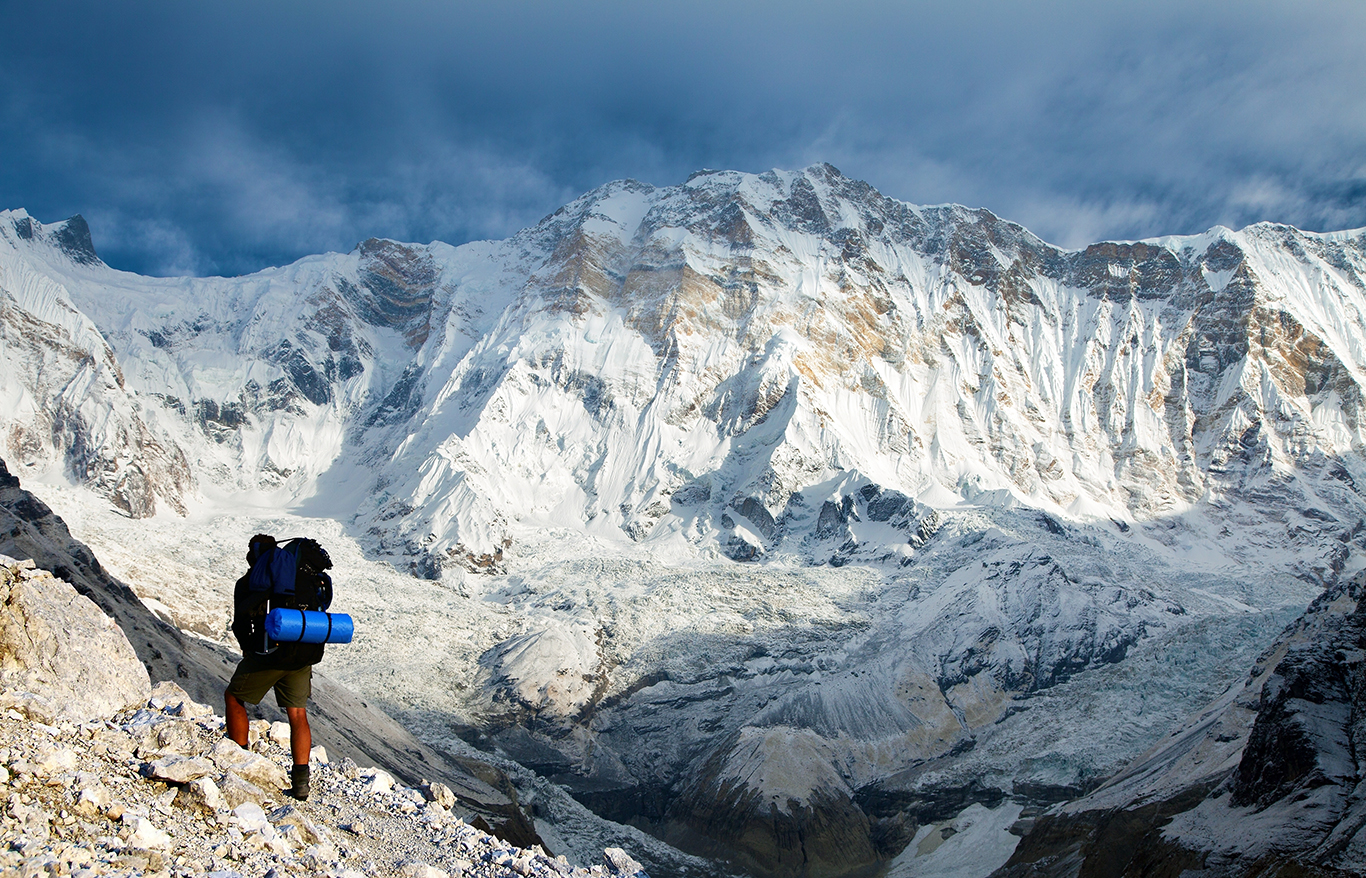
Introduction to Mountain Climbing
Mountain climbing is an exhilarating pursuit that attracts adventurers from all corners of the globe. The thrill of scaling towering peaks, breathing in crisp alpine air, and standing atop breathtaking vistas captivates those who seek a connection with nature. However, this passion comes with inherent risks. While many mountains beckon climbers to challenge themselves, some are infamous for their treacherous conditions and high fatality rates.
For the brave souls daring enough to tackle these formidable giants, understanding the dangers involved is crucial. From unpredictable weather patterns to sudden avalanches, every ascent carries its own set of challenges. In this exploration of the world’s most dangerous mountains—where beauty meets peril—we’ll dive into what makes these climbs so risky and uncover stories that reveal why they hold such a lethal allure for climbers worldwide.
The Risk and Danger Involved in Mountain Climbing
Mountain climbing is an exhilarating pursuit, but it comes with significant risks. The harsh environment can turn deadly in moments. Extreme weather conditions can quickly arise, leading to hypothermia or frostbite.
Altitude sickness poses another serious threat. As climbers ascend, the air thins and oxygen levels drop, causing headaches and disorientation. In severe cases, it can be fatal.
Then there’s the constant danger of avalanches and rockfalls. These natural disasters strike without warning and have claimed countless lives on treacherous slopes.
Navigating technical routes also requires skill and experience. A single misstep can lead to a fall—a potentially life-ending event on sheer cliffs.
Climbing at high altitudes challenges both body and mind. Fatigue sets in quickly, impairing judgment when it’s most crucial. Embracing these dangers is part of what makes mountain climbing so compelling yet perilous for adventurers worldwide.
Top 5 Most Dangerous Mountains in the World
Mountain climbing attracts thrill-seekers, but some peaks are notorious for their perilous conditions.
First on the list is Mount Everest. Its height draws climbers from around the globe, yet unpredictable weather and altitude sickness can turn deadly.
Next is K2, often dubbed the “Savage Mountain.” Its steep faces and harsh environment make it a true test of skill and endurance. Many have attempted to conquer this giant, but few succeed without consequence.
Annapurna I earns its title as the “Killer Mountain” due to its high fatality rate among climbers. The challenging terrain combined with avalanches creates an atmosphere of constant risk.
Then there’s Nanga Parbat, known ominously as the “Man Eater.” This mountain claims lives not just because of technical difficulty but also fierce storms that sweep through unexpectedly.
Kangchenjunga presents its own unique challenges. High altitudes and treacherous conditions require utmost care and preparation. Each ascent tells a story of ambition mixed with danger.
Mount Everest: The Highest and Deadliest Peak
Mount Everest stands tall at 29,029 feet, drawing climbers from all corners of the globe. It represents both an incredible achievement and a daunting challenge.
Despite its allure, it is notorious for danger. The infamous “Death Zone” begins above 26,000 feet where oxygen levels plummet. Here, many climbers face severe altitude sickness or worse.
The weather can shift unexpectedly. Sudden storms have claimed lives in mere moments. Additionally, overcrowding on popular routes often leads to risky delays.
Avalanches and crevasses lurk beneath the surface, waiting for unprepared adventurers. Each step requires unwavering focus and respect for nature’s power.
While reaching the summit is exhilarating, it comes with immense risk. Those who dare to conquer Everest must be well-prepared mentally and physically for what lies ahead.
K2: The Savage Mountain
K2, often dubbed “The Savage Mountain,” stands as a testament to nature’s raw power. Rising at 8,611 meters, it is the second-highest peak on Earth. Yet, its allure comes with an ominous reputation.
Climbers face extreme weather conditions that can shift in moments. The fierce winds and unpredictable storms create a perilous environment. This mountain demands respect like no other.
Its technical climbing routes challenge even seasoned mountaineers. Steep rock faces and treacherous ice fields make every ascent grueling. Many have attempted the climb but tragically failed along the way.
With a mortality rate of around 25%, K2 illustrates why many consider it more dangerous than Mount Everest. Each year draws adventurers who seek glory but must be aware of their limits and the risks ahead. The thrill of conquering this savage giant keeps them coming back for more—despite the dangers lurking at every turn.
Annapurna: The Killer Mountain
Annapurna I, often dubbed “The Killer Mountain,” has a notorious reputation in the climbing community. Standing at 8,091 meters, it was the first peak above 8,000 meters to be successfully summited in 1950. This achievement didn’t come without its price.
With an estimated fatality rate of around 32%, Annapurna is one of the most dangerous mountain climbs on Earth. The mountain’s harsh weather conditions and unpredictable avalanches contribute significantly to its perilous nature.
Climbers face not only physical challenges but also psychological hurdles while navigating Annapurna’s treacherous terrain. Its steep faces and deep ravines require exceptional skill and resilience.
Despite these dangers, adventurers are drawn to Annapurna’s allure. The challenge captivates many seasoned climbers who seek to conquer what remains a fearsome giant among the world’s mountains.
Nanga Parbat: The Man Eater
Nanga Parbat, known as “The Man Eater,” earns its ominous nickname from the numerous climbers who have perished while attempting to conquer its peaks. Standing at 8,126 meters, it is the ninth-highest mountain in the world and poses unique challenges that test even expert mountaineers.
Its sheer cliffs and unpredictable weather create a treacherous environment. The infamous Rupal Face is one of the highest mountain faces on Earth and offers little margin for error. One misstep can lead to fatal consequences.
Climbers face avalanches, rockfalls, and extreme altitude sickness. Many adventurers are drawn by its beauty but quickly realize Nanga Parbat demands respect.
Experienced climbers understand that this majestic giant is not just another peak; it’s a formidable adversary with a history steeped in tragedy. Those who dare to approach must be prepared for an intense battle against nature’s might.
Kangchenjunga: The Five Treasures of Snow
Kangchenjunga, the third-highest mountain in the world, stands at a staggering 8,586 meters. Nestled between Nepal and India, it’s often shrouded in mystique.
Known as the “Five Treasures of Snow,” each peak symbolizes something precious: gold, silver, gems, grain, and holy scriptures. This rich cultural significance adds an allure that draws climbers worldwide.
But don’t be fooled by its beauty. Kangchenjunga is notorious for its perilous conditions and unpredictable weather patterns. The steep ascents can be treacherous; many climbers have faced life-threatening challenges on this majestic giant.
With a death rate among summit attempts nearing 22%, understanding why it’s labeled one of the most dangerous mountains becomes clearer. Only experienced mountaineers should even consider tackling Kangchenjunga’s daunting slopes. It’s not just about reaching the top; it’s about surviving the journey itself.
Preparing for a Dangerous Climb
Preparing for a dangerous climb requires thorough planning and respect for the mountains. Understanding the risks is crucial. Each mountain, from K2 to Annapurna I, has its unique challenges that can lead to dire consequences.
Physical conditioning is a must. Climbers should be in peak mental and physical shape. Endurance training, strength-building exercises, and altitude acclimatization are vital components of any climbing regimen.
Equipping yourself with the right gear cannot be overstated. High-quality climbing equipment ensures safety against harsh conditions. From boots designed for grip on slippery surfaces to oxygen tanks essential at high altitudes like Mount Everest, preparation makes all the difference.
Knowledge of weather patterns also plays a key role in successful climbs. Mountain weather can change rapidly; climbers must stay informed about forecasts leading up to their ascent.
It’s important to have contingency plans in place before setting off into treacherous territory. This includes knowing when to turn back or having access to emergency services if needed.
Dangerous mountain climbs attract thrill-seekers worldwide but come with considerable risks that demand careful consideration and respect. The allure of conquering peaks like Kangchenjunga or Nanga Parbat may beckon adventurers but being well-prepared is what truly equips them for survival among these most dangerous mountains on Earth.