
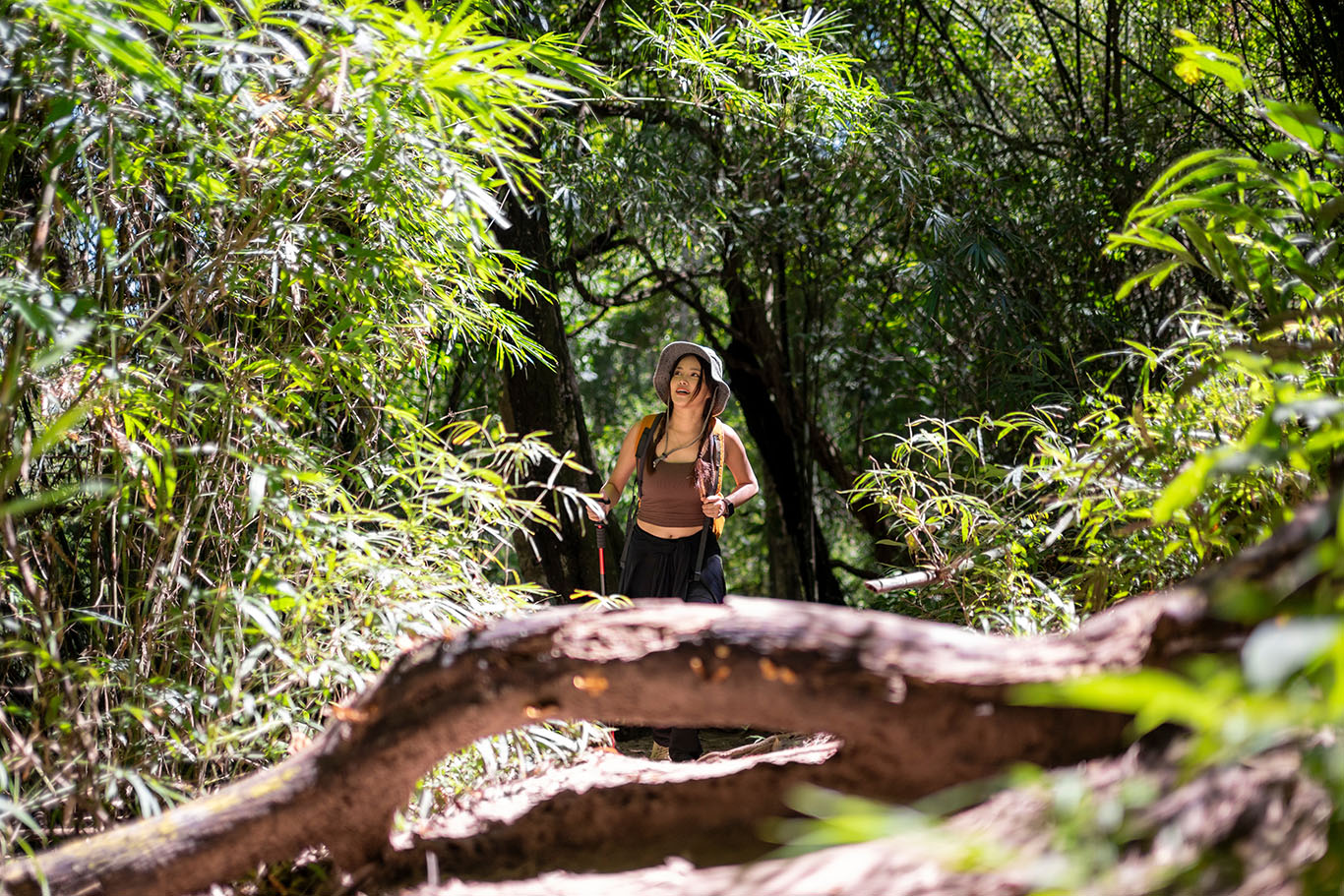
A smart packing list can mean the difference between an unforgettable expedition and a long, soggy struggle through heat, mud, and insects.
Tropical jungles are magnificent, but they are rarely forgiving. Heavy humidity, sudden rain, muddy trails, dense vegetation, and relentless insects turn even a short trek into a serious test of preparation. The best jungle gear is not about looking adventurous; it is about staying dry enough, cool enough, hydrated enough, and protected enough to keep moving safely when the trail disappears into a wall of green.
The foundation of any jungle kit is clothing built for moisture and movement. Quick-drying long-sleeved shirts and lightweight trekking pants are far more useful than shorts and cotton T-shirts, which absorb sweat and stay wet. In the jungle, covered skin is an advantage: it helps reduce insect bites, shields against scratches from branches and thorns, and offers protection from surprising bursts of sun where the canopy opens. On your feet, sturdy hiking boots or trail shoes with strong grip are essential for slick roots, steep slopes, and deep mud. A few pairs of moisture-wicking socks matter just as much, because wet feet quickly turn into blisters.
Rain protection deserves its own category. In a tropical jungle, downpours are not occasional inconveniences; they are part of the environment. A lightweight waterproof shell or poncho keeps the worst of the rain off your body, but just as important are a backpack rain cover and several dry bags inside your pack. Electronics, spare clothes, maps, and first-aid supplies should all be sealed against moisture. Jungle trekkers often learn this lesson the hard way: it is not enough to keep water off the outside of your pack when the air itself feels wet enough to drink.
Hydration is another nonnegotiable. High heat and humidity can drain energy faster than many hikers expect, so a durable water bottle or hydration reservoir should be on every packing list. For longer treks, water purification becomes just as important as water storage. A compact filter, purification tablets, or another reliable treatment method allows trekkers to refill safely when carrying all their water is impossible. In remote jungle terrain, safe drinking water is not a convenience item; it is a survival priority.
Then comes the equipment that helps you stay oriented when the landscape becomes confusing. A headlamp is indispensable for early starts, late arrivals, and campsites where darkness falls fast under the trees. Navigation tools matter too. Depending on the route, trekkers may carry a map, compass, GPS device, or some combination of all three. In dense jungle, where visibility is limited and trails can vanish into foliage, backup navigation is not excessive; it is responsible.
No jungle article would be complete without the less glamorous essentials: insect repellent, a basic first-aid kit, sunscreen, and a small hygiene kit. Repellent is crucial in regions where mosquitoes and other biting insects are more than a nuisance. A practical first-aid kit should include blister care, bandages, antiseptic supplies, pain relief, and any personal medications. Add a whistle, a multitool, and a small amount of emergency food, and your pack begins to look less like luggage and more like insurance.
Ultimately, trekking through a tropical jungle is an exercise in respect: respect for weather, terrain, wildlife, and the limits of your own body. The right equipment will not tame the jungle, nor should it. What it will do is help you move through one of the planet’s richest environments with confidence, caution, and enough comfort to appreciate the experience. When every item in your pack has a purpose, the jungle stops feeling like chaos and starts feeling like discovery.