
Introduction to the Natural Wonders of Africa
Africa is a land of breathtaking landscapes and diverse ecosystems, where the call of the wild resonates through every corner. From sprawling savannas to dense jungles, this continent boasts some of the most remarkable natural wonders on Earth. These extraordinary environments serve as crucial habitats for countless species, many of which are endangered or vulnerable.
The wildlife preserves in Africa play an essential role in protecting these animals and their unique habitats. They offer a sanctuary not only for majestic elephants and powerful lions but also for myriad bird species, reptiles, and plant life that thrive within these ecosystems.
Let’s embark on a journey through some of Africa’s larger nature and wildlife preserves. Discover how they contribute to conservation efforts while showcasing the continent’s unparalleled beauty. Whether you’re an avid traveler or simply curious about wildlife conservation, there’s much to explore in Africa’s cherished reserves.
The Importance of Preserves for Wildlife Conservation
Nature preserves play a crucial role in wildlife conservation. They provide safe habitats for countless species, protecting them from habitat loss and human encroachment.
These areas are sanctuaries where animals can thrive without the constant threat of poaching or industrial development. By maintaining biodiversity, they ensure ecosystems remain balanced and resilient.
Moreover, wildlife preserves offer invaluable opportunities for research and education. Scientists study animal behavior, genetics, and environmental changes within these protected spaces. This knowledge is essential for informing conservation strategies worldwide.
Engaging local communities in preservation efforts fosters sustainable practices that benefit both people and nature. When locals see the value of their natural surroundings, they often become passionate advocates for protection.
Preserves also promote ecotourism, generating revenue that supports ongoing conservation initiatives. Visitors contribute to economies while experiencing Africa’s wild beauty firsthand—an experience that deepens appreciation for its incredible flora and fauna.
Serengeti National Park, Tanzania
Serengeti National Park is a hallmark of wildlife preservation in Africa. Spanning an impressive 14,763 square kilometers, this UNESCO World Heritage Site teems with life.
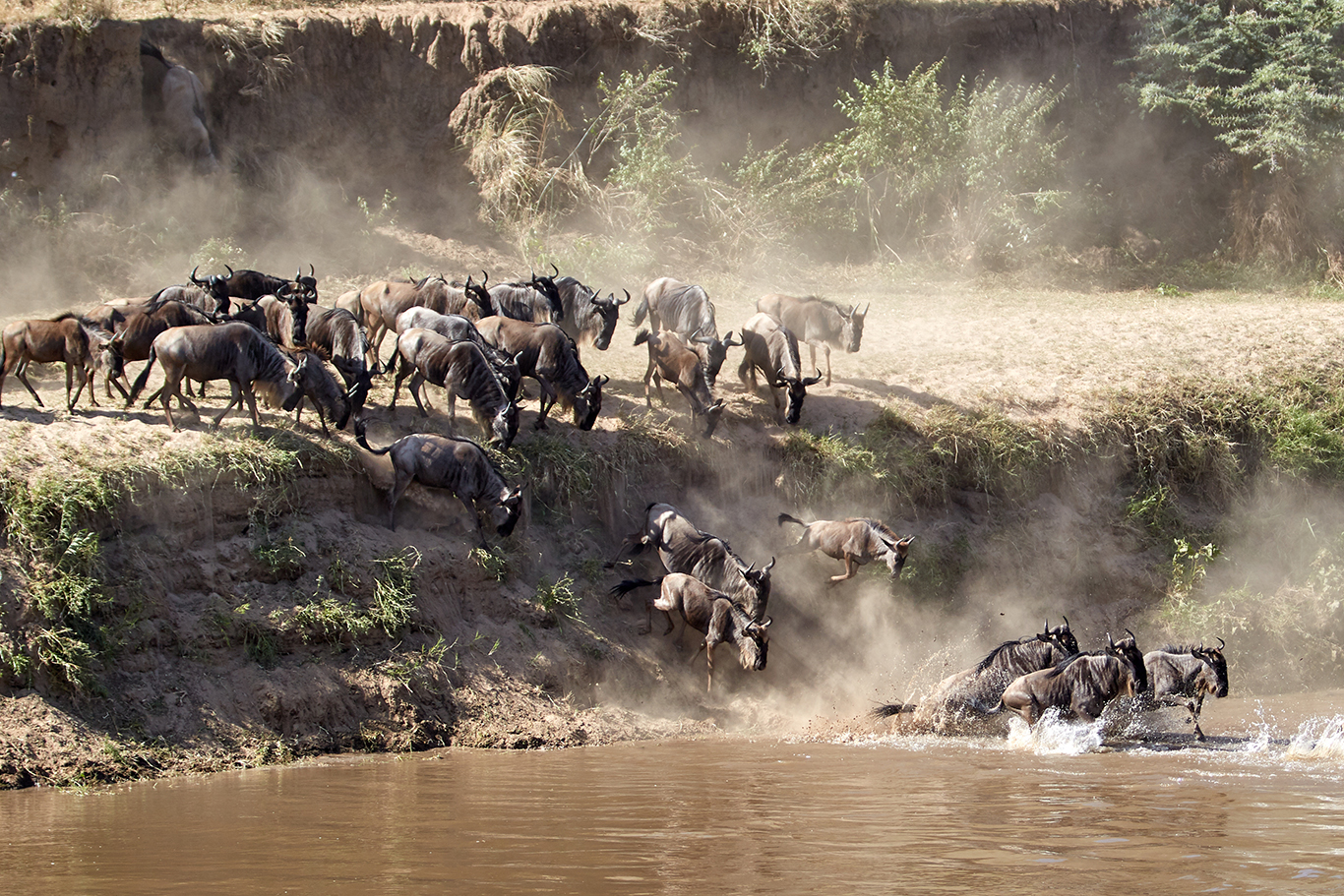
The park is famous for its annual migration, where millions of wildebeest and zebras traverse the plains. This spectacular event draws visitors from around the globe who crave unforgettable sights and sounds.
Beyond the migration, Serengeti hosts diverse ecosystems ranging from grasslands to savannah woodlands. Here, you can spot majestic lions lounging under acacia trees or elephants wandering near waterholes.
Birdwatchers delight in over 500 species that call this park home. From vibrant lilac-breasted rollers to elegant ostriches, there’s always something captivating overhead.
With responsible tourism practices in place, your visit not only enriches your experience but also supports vital conservation efforts for these magnificent creatures.
Kruger National Park, South Africa
Kruger National Park is a jewel in South Africa’s crown. Spanning nearly 2 million hectares, it offers a diverse landscape teeming with wildlife. From open savannas to dense bushveld, each corner reveals new wonders.
Home to the Big Five—lion, leopard, elephant, buffalo, and rhinoceros—this park attracts nature enthusiasts from around the globe. The chance to spot these magnificent creatures in their natural habitat is unparalleled.
Visitors can explore through self-drive safaris or guided tours. Both options provide unique perspectives on the rich biodiversity that thrives here. Birdwatchers will also find joy; Kruger boasts over 500 bird species.
The park’s commitment to conservation ensures that future generations can experience its beauty too. With accommodations ranging from luxury lodges to rustic campsites, there’s something for everyone looking to immerse themselves in this wild paradise.
Maasai Mara National Reserve, Kenya
Maasai Mara National Reserve is a crown jewel of Kenya’s wildlife preserves. It boasts an incredible array of animals, including the Big Five: lions, elephants, buffaloes, leopards, and rhinoceros.
Every year, the Great Migration draws thousands of wildebeests and zebras across its expansive plains. This natural spectacle mesmerizes visitors from around the globe.
The reserve’s landscapes are stunning. Rolling savannahs meet acacia woodlands under endless skies. Each dawn brings breathtaking views that photographers dream about.
Cultural interaction adds to the experience here. The Maasai people share their traditions and stories with guests, enriching your understanding of this vibrant region.
Whether you’re on a guided safari or exploring independently, every moment in Maasai Mara feels alive with possibility. Wildlife encounters can happen at any time—each sighting is unique and unforgettable.
Etosha National Park, Namibia
Etosha National Park is a true gem in Namibia. Spanning over 22,000 square kilometers, its vast salt pans and diverse landscapes create an awe-inspiring backdrop for wildlife enthusiasts.
The park is home to a remarkable variety of animals. Visitors can spot elephants, lions, zebras, and even the endangered black rhino roaming freely across the terrain. The unique watering holes serve as perfect vantage points for observing their behavior.
Throughout the year, Etosha transforms dramatically with each season. After rains, vibrant green grass carpets the ground while attracting countless migratory birds. This seasonal change makes every visit feel distinct.
Camping under a starry sky adds another layer to your experience here. The sounds of nature surround you at night—an unforgettable reminder that you’re immersed in one of Africa’s most captivating wilderness areas.
Virunga National Park, Democratic Republic of Congo
Virunga National Park is a true gem nestled in the Democratic Republic of Congo. This UNESCO World Heritage site covers over 7,800 square kilometers of diverse ecosystems. It features lush rainforests, volcanoes, and stunning savannahs.
One of the park’s highlights is its population of endangered mountain gorillas. Visitors have the rare opportunity to trek through dense forests for an unforgettable encounter with these majestic creatures.
The park also boasts vibrant wildlife such as elephants, hippos, and various bird species that fill the landscape with life and color.
As you explore Virunga’s breathtaking scenery, you’ll witness not only nature’s beauty but also hear stories about conservation efforts aimed at protecting this fragile ecosystem from poaching and habitat loss.
Other Notable Nature and Wildlife Preserves in Africa
Beyond the well-known parks, Africa boasts a wealth of hidden gems. Each offers unique experiences and diverse ecosystems.
Chobe National Park in Botswana is famous for its elephant population. Here, you can witness herds roaming freely along the Chobe River. The sunsets create an enchanting backdrop.
Lake Nakuru National Park in Kenya is a birdwatcher’s paradise. Flamingos flock to its shores, painting the landscape pink during migration seasons.
In Uganda, Bwindi Impenetrable Forest presents a rugged terrain teeming with biodiversity. Trekking through this UNESCO World Heritage Site allows visitors to encounter endangered mountain gorillas up close.
Tsavo National Park straddles Kenya’s coast and showcases vast landscapes ranging from savannahs to volcanic hills. It’s one of the largest wildlife preserves on the continent, rich in both flora and fauna.
These lesser-known reserves hold treasures waiting to be explored by nature enthusiasts seeking adventure off the beaten path.
Advice for Visiting and Supporting these Preserves
Visiting Africa’s nature and wildlife preserves is an unforgettable experience. To make the most out of your adventure, it’s essential to plan ahead. Research the specific preserve you wish to visit and understand its unique offerings.
When exploring these natural wonders, consider going with a guided tour or a reputable safari company. They can provide valuable insights into the local ecosystem while ensuring your safety. Always respect wildlife by maintaining a safe distance and never feeding animals.
Support local communities by purchasing handmade crafts or dining at locally-owned restaurants during your stay. This not only enhances your experience but also contributes positively to conservation efforts in the region.
Be mindful of environmental practices: use reusable water bottles, minimize waste, and adhere to designated paths when hiking. Your actions can significantly impact preserving these delicate ecosystems for future generations.
If you’re passionate about conservation, consider donating directly to organizations working in these areas or participating in volunteer programs designed to protect African wildlife. Every small effort counts toward safeguarding these magnificent landscapes and their inhabitants for years to come.