
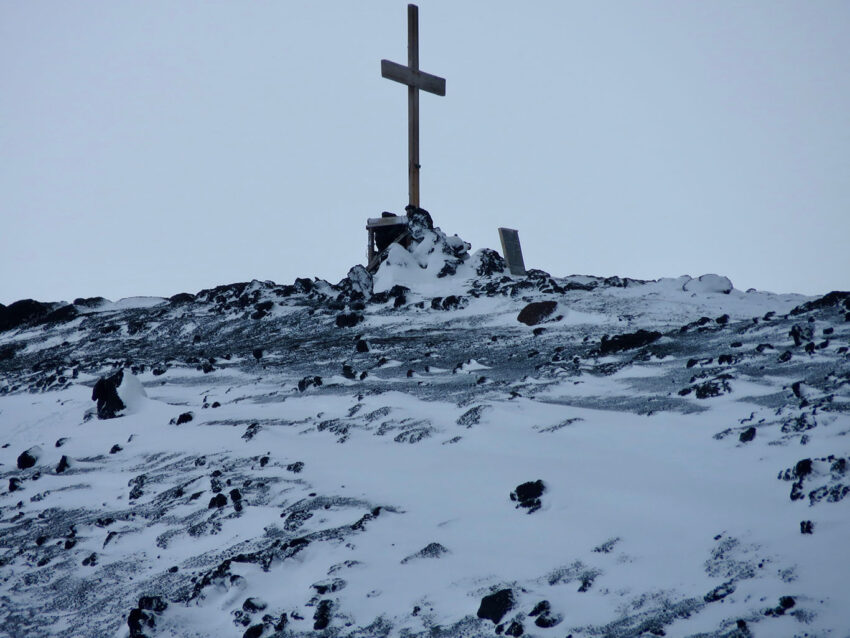
Introduction to explorers and their impact on history
Throughout history, explorers have dared to venture into the unknown, pushing boundaries and expanding our understanding of the world. Their journeys have not only mapped uncharted territories but also shaped cultures, economies, and societies. From discovering new lands to unlocking the secrets of space, these trailblazers left indelible marks on human history.
The greatest explorers are often remembered for their bravery and curiosity. They faced treacherous seas, daunting mountains, and extreme weather conditions—all in pursuit of knowledge. Each expedition brought back stories that inspired generations.
Join us as we delve into the lives of some of the most remarkable explorers who ever lived. Discover how their adventures transformed our world and continue to influence us today.
Early Explorers: Christopher Columbus and Vasco da Gama
Christopher Columbus and Vasco da Gama stand out as pivotal figures in the era of early exploration. Both embarked on ambitious voyages that redefined our understanding of the world.
Columbus, driven by dreams of a westward passage to Asia, set sail in 1492. Instead, he stumbled upon the Americas. His expeditions opened a new chapter for Europe, igniting curiosity about these uncharted territories.
Vasco da Gama took a different route. In 1498, he successfully navigated around Africa’s Cape of Good Hope to reach India. This sea route connected Europe directly with Asia’s spice markets, revolutionizing trade.
Their journeys were fraught with challenges but paved the way for future explorers. They not only expanded geographic knowledge but also sparked cultural exchanges that would shape history for centuries to come.
Age of Discovery: Ferdinand Magellan and James Cook
The Age of Discovery marked a thrilling chapter in human history, characterized by daring voyages and groundbreaking discoveries. Among the luminaries of this era were Ferdinand Magellan and James Cook, two explorers whose journeys reshaped our understanding of the world.
Ferdinand Magellan is celebrated for leading the first expedition to circumnavigate the globe. His relentless spirit pushed boundaries, proving that vast oceans could connect distant lands. The journey revealed new trade routes and cultures previously unknown to Europe.
James Cook followed in his footsteps with unparalleled precision. His meticulous mapping skills revolutionized navigation. From the coasts of Australia to Hawaii, Cook’s expeditions charted uncharted territories and fostered exchanges between civilizations.
Both navigators embodied courage and curiosity. Their quests went beyond exploration; they ignited interest in science, geography, and global interaction that still resonates today.
Polar Exploration: Roald Amundsen and Ernest Shackleton
Roald Amundsen was a pioneer of polar exploration. In 1911, he led the first successful expedition to reach the South Pole. His meticulous planning and deep understanding of Arctic conditions set him apart from many contemporaries.
Amundsen’s team relied on sled dogs and traditional Inuit techniques, showcasing his respect for indigenous knowledge. This approach allowed them to thrive in one of Earth’s harshest environments.
On the other hand, Ernest Shackleton’s tale is one of resilience rather than conquest. His ill-fated Endurance expedition in 1914 aimed for Antarctica but faced disaster when their ship became trapped in ice.
Shackleton demonstrated extraordinary leadership as he navigated perilous situations and fought against despair among his crew. Their eventual rescue is celebrated as a testament to human endurance against overwhelming odds.
Both explorers significantly shaped our understanding of polar regions through their daring adventures and bold spirit.
Space Exploration: Neil Armstrong and Yuri Gagarin
Space exploration has always captivated the human spirit. Among its pioneers, Neil Armstrong and Yuri Gagarin stand out.
Yuri Gagarin became the first human to journey into outer space in 1961. His mission aboard Vostok 1 lasted just 108 minutes but changed everything. He orbited Earth once, breaking barriers and igniting a global fascination with the cosmos.
Neil Armstrong followed years later, taking humanity’s giant leap on July 20, 1969. As he stepped onto the lunar surface during Apollo 11, his words echoed across time: “That’s one small step for man.”
Both men faced immense challenges yet forged ahead with determination. Their journeys not only advanced technology but also united people worldwide in awe of what lies beyond our planet’s atmosphere. The legacies of these explorers continue to inspire new generations to reach further into the unknown.
Modern Day Explorers: Jacques Cousteau and Jane Goodall
Jacques Cousteau transformed our understanding of the oceans. With his innovative underwater documentaries, he brought the beauty and fragility of marine life into living rooms worldwide. His passion for ocean conservation inspired generations to protect aquatic ecosystems.
Cousteau’s inventions, like the Aqua-Lung, revolutionized scuba diving. This allowed explorers to venture deeper than ever before. Through his adventures, he revealed a hidden world teeming with color and diversity.
On another front, Jane Goodall redefined primate studies. Her groundbreaking work with chimpanzees in Tanzania unveiled their complex social structures and emotional depth. Goodall challenged preconceived ideas about animals’ cognitive abilities.
With her relentless advocacy for wildlife conservation, she became a voice for endangered species everywhere. Through education and outreach programs, Goodall continues to inspire people to appreciate biodiversity and our planet’s interconnectedness during these modern times.
How these explorers changed the course of history
The greatest explorers reshaped our understanding of the world. Their journeys unveiled new lands, cultures, and resources that were previously unknown.
Christopher Columbus opened the door to the Americas, setting off waves of exploration and colonization that transformed global trade. His voyages connected continents in ways that had never happened before.
Vasco da Gama’s route to India revolutionized spice trade. This paved the way for European powers to expand their influence in Asia.
Ferdinand Magellan’s expedition was a monumental feat. It proved that the Earth could be circumnavigated, challenging people’s perceptions about geography.
In polar regions, Roald Amundsen and Ernest Shackleton pushed boundaries of human endurance. Their quests improved our knowledge of extreme environments while inspiring future generations of scientists and adventurers alike.
Space pioneers like Neil Armstrong showed us what lies beyond our planet. They ignited curiosity about space exploration and its potential impact on humanity’s future.
The legacy of great explorers
The legacy of great explorers is woven into the fabric of human history. Their journeys reshaped our understanding of the world, revealing new lands and cultures. They pushed boundaries, both geographical and intellectual.
Christopher Columbus opened new paths across oceans, while Vasco da Gama’s voyages connected continents through trade routes that still influence global commerce today. The Age of Discovery was marked by figures like Ferdinand Magellan, whose circumnavigation proved the Earth’s roundness, and James Cook, who mapped extensive parts of the Pacific Ocean.
Polar explorers such as Roald Amundsen and Ernest Shackleton faced extreme conditions in their quest to conquer the last frontiers on Earth. They showed remarkable courage and determination which inspired generations to seek adventure beyond known limits.
In more recent times, space pioneers like Neil Armstrong and Yuri Gagarin took humanity beyond its planet for the first time. Their achievements ignited a passion for exploration that continues to drive scientific endeavors today.
Modern-day adventurers like Jacques Cousteau revolutionized marine exploration while Jane Goodall changed how we see wildlife conservation. Each explorer contributed significantly to science, culture, and our shared heritage.
Their impact reaches far beyond their individual discoveries; they have sparked curiosity in countless others to explore further—whether it’s an ocean depth or outer space. This relentless pursuit of knowledge ensures that exploring remains a vital part of humanity’s journey forward.