
Introduction to African Camera Safaris
Imagine the thrill of witnessing a lion’s majestic stride across the savannah, or capturing the vibrant colors of a sunset over a tranquil waterhole. An African camera safari offers you the unique opportunity to immerse yourself in nature’s wonders while honing your photography skills. From stunning landscapes to incredible wildlife encounters, these safaris create lasting memories and breathtaking images that will make everyone envious.
As you venture into Africa’s most iconic parks and reserves, you’ll discover diverse ecosystems teeming with life. Each moment presents an opportunity for that perfect shot—whether it’s an elephant family gathering at a watering hole or flocks of birds taking flight against an endless blue sky.
But planning such an adventure can be overwhelming. With so much to consider—from choosing when to go and which safari company to trust—to knowing what sights are unmissable, getting it right is crucial for creating unforgettable experiences. Dive into this guide as we explore the top attractions for safari enthusiasts like you!
The Best Time to Go on an African Camera Safari
Timing is crucial when planning an African camera safari. The dry season, typically from May to October, offers the best wildlife viewing opportunities. Animals gather around waterholes, making them easier to spot and photograph.
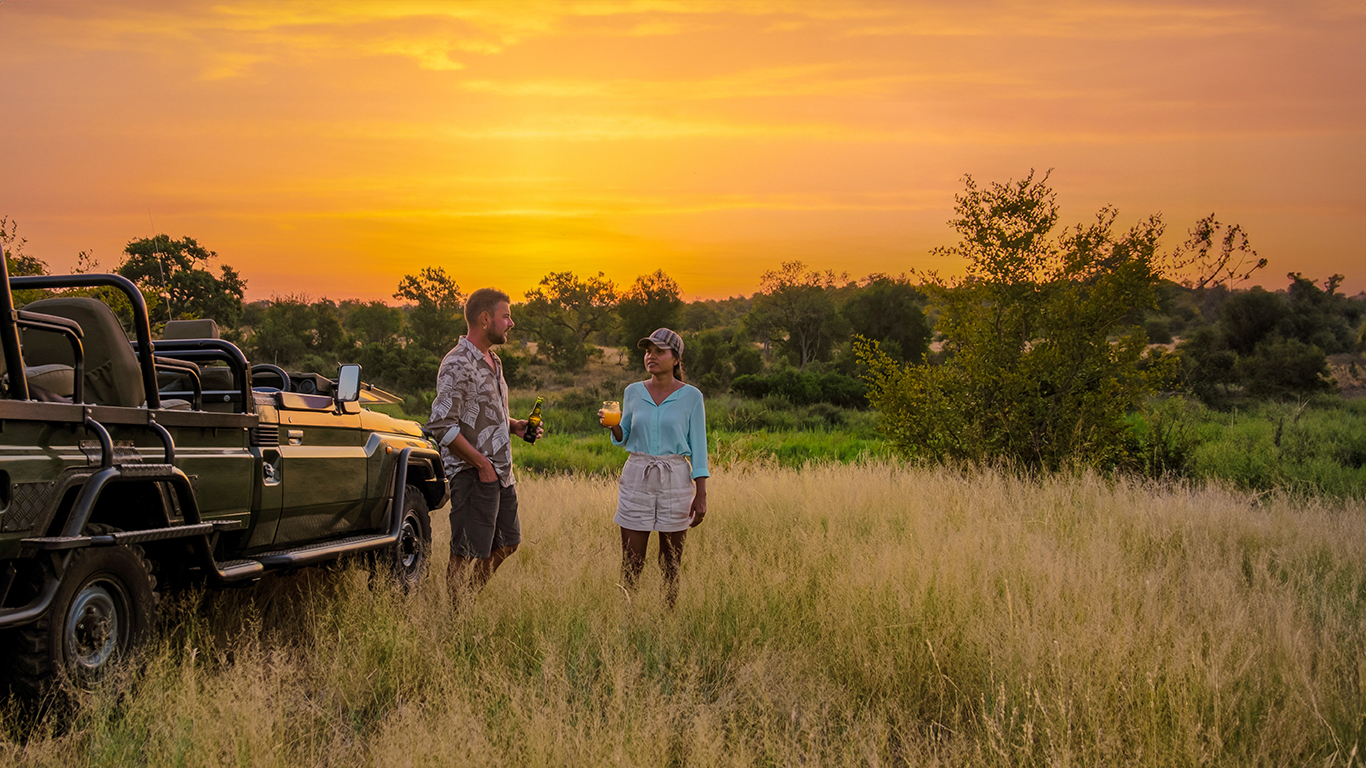
The golden light of early mornings and late afternoons creates stunning backdrops for your shots. This time is ideal for capturing the vibrant colors of sunsets over savannahs or silhouettes against a dramatic sky.
However, don’t overlook the wet season from November to April. While it may rain more frequently, this period brings life to landscapes with lush greenery and migrating animals. Birdwatchers particularly enjoy this time as many species are nesting.
Consider seasonal migrations too, like the Great Migration in Tanzania and Kenya from June to September. Witnessing thousands of wildebeest crossing rivers can be a spectacular sight for any photographer eager to capture dynamic moments on their journey.
Choosing the Right Safari Company
Selecting the perfect safari company can make or break your experience. Start by researching operators with a strong reputation and positive reviews. Look for companies that specialize in camera safaris, ensuring their guides are well-versed in photography.
Check their itineraries carefully. A good safari company will offer flexible options that accommodate photographers’ needs, such as early starts to capture stunning light during sunrise.
Don’t forget to inquire about group sizes. Smaller groups provide more opportunities for individual attention from guides, enhancing both your learning and photo opportunities.
Also, consider sustainability practices. Responsible companies prioritize eco-friendly initiatives and support local communities.
Reach out directly with questions. This interaction gives you insight into their customer service quality and responsiveness—key factors for an enjoyable trip!
Top Destinations for an African Camera Safari
When it comes to African camera safaris, several destinations stand out for their breathtaking scenery and diverse wildlife.
The Serengeti in Tanzania is legendary. Famous for the Great Migration, it’s a photographer’s dream come true with vast savannas teeming with animals.
Next up is Kruger National Park in South Africa. This park offers a mix of landscapes, from bushveld to rivers, providing endless opportunities for stunning shots of the Big Five.
Botswana’s Okavango Delta presents a unique ecosystem where water meets land. Capture elephants splashing playfully or hippos lounging in the waterways.
For something different, head to Namibia’s Sossusvlei. The striking red dunes against clear blue skies create dramatic backdrops that will elevate your photography game.
Each destination offers its own magic and charm, ensuring unforgettable experiences along with spectacular visuals for every aspiring wildlife photographer.
Must-See Wildlife and Landscapes on a Safari
The African landscape is a treasure trove of breathtaking sights and extraordinary wildlife. Picture the golden savannas, where herds of elephants roam freely under vast blue skies.
In places like Serengeti National Park, you may witness the Great Migration—an awe-inspiring spectacle as millions of wildebeest and zebras traverse the plains in search of greener pastures. This iconic event is one of the top attractions for safari lovers.
Don’t overlook the lush wetlands of Botswana’s Okavango Delta. Here, hippos bask lazily while colorful bird species flit between branches. The unique ecosystem offers countless opportunities for stellar photography.
If you’re seeking dramatic landscapes, head to Victoria Falls or Table Mountain for stunning backdrops that will elevate your photo collection. Each location presents its own charm and character, making every shot a potential masterpiece waiting to be captured.
Tips for Capturing the Perfect Shots
To capture stunning shots on your African camera safari, keep your gear ready. Always have your camera at hand. Wildlife can appear unexpectedly.
Use a zoom lens for close-ups of animals from a distance. This not only protects you but also allows you to observe their natural behavior without disturbing them.
Lighting is crucial in photography. Early mornings and late afternoons offer the best light for vibrant colors and soft shadows. Aim to be out during these golden hours.
Don’t forget about composition! Use the rule of thirds to frame your subjects effectively. Experiment with different angles; sometimes, getting low or shooting from above can create unique perspectives.
Stay patient when waiting for that perfect moment—wildlife photography requires it! Immerse yourself in the experience; often, being present leads to unexpected photographic opportunities that tell compelling stories through images.
Cultural Experiences and Other Activities on a Safari
A camera safari offers more than just stunning wildlife. It’s a gateway to vibrant cultures that enrich your experience. Engaging with local communities allows you to understand their traditions, art, and daily life.
Consider visiting a Maasai village in Kenya or Tanzania. You’ll witness traditional dances and learn about their unique customs firsthand. Participating in these moments provides depth beyond the lens of your camera.
Local markets are another treasure trove for photographers. Colorful stalls brimming with handmade crafts and spices create perfect backdrops for candid shots.
Don’t miss out on cooking classes featuring regional dishes like biltong or bobotie. Sharing meals together fosters connections while offering insights into culinary heritage.
If time permits, explore nearby historical sites or participate in conservation projects. These experiences paint a fuller picture of Africa’s rich tapestry, making your journey unforgettable amidst breathtaking landscapes and wildlife encounters.
Conclusion
Embarking on an African camera safari is more than just a holiday; it’s an adventure that tantalizes the senses. The thrill of capturing wildlife in their natural habitat, witnessing breathtaking landscapes, and immersing oneself in vibrant cultures creates unforgettable memories. With careful planning and consideration of the top attractions for safari experiences, your journey becomes seamless.
Whether you’re tracking elephants through dense bush or photographing the stunning sunsets over savannah plains, every aspect offers something special. Remember to prioritize your desires when selecting what to see on an African camera safari—wildlife encounters, scenic vistas, or cultural exchanges will shape your experience.
As you prepare for this incredible voyage, don’t overlook crucial details such as choosing the right safari company. Research thoroughly and seek recommendations to ensure you get the most out of your trip.
By keeping these insights in mind while planning your adventure, you’ll be well-equipped to capture not only photographs but also lasting impressions from one of Earth’s most awe-inspiring destinations. So pack those lenses with excitement—an extraordinary journey awaits!