
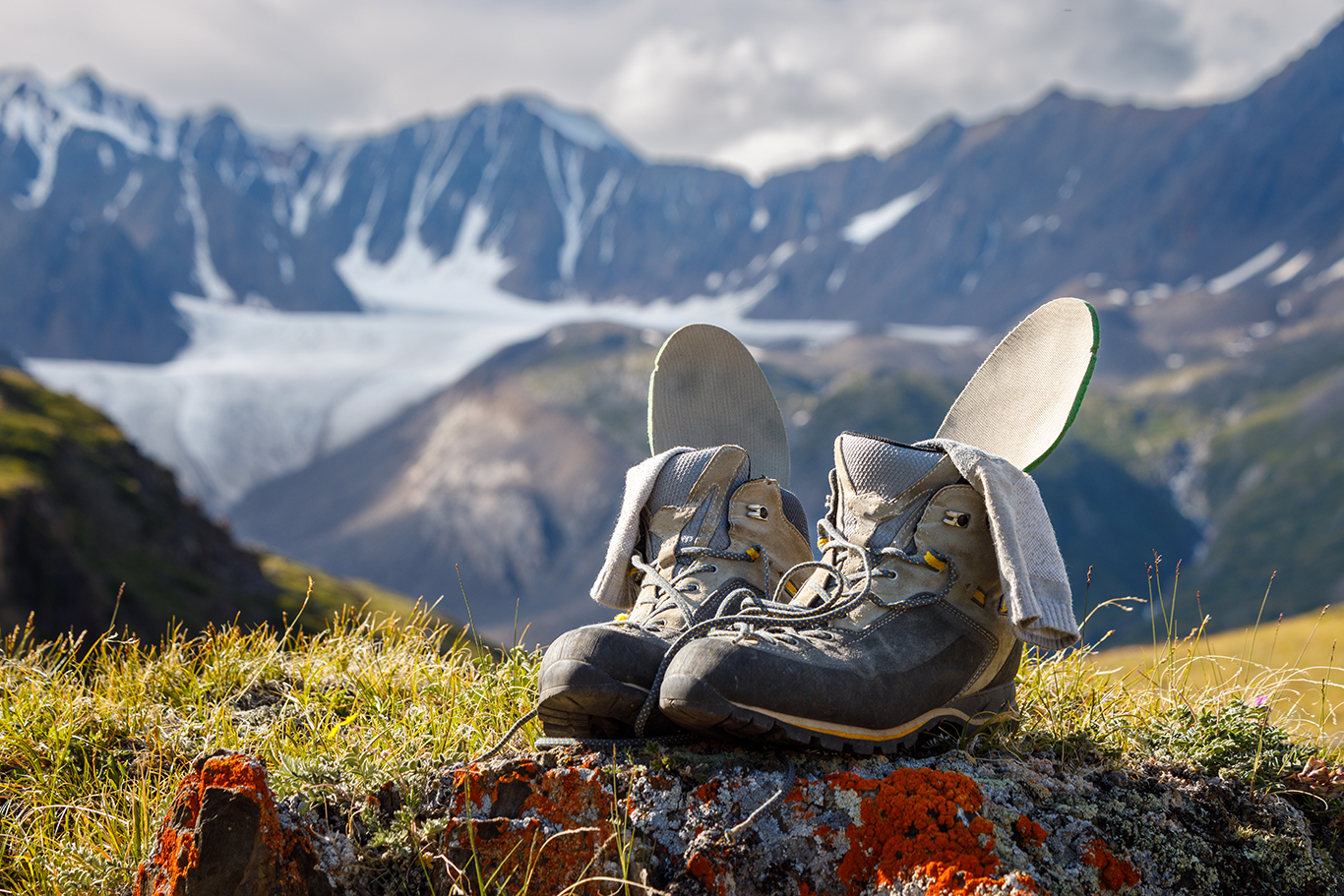
Hiking is one of the most invigorating ways to connect with nature, but before you hit those rugged trails, there’s a crucial decision to make: what kind of hiking shoes should you buy? With so many options on the market, it can feel overwhelming. You might wonder if you need lightweight trail runners for quick jaunts or sturdy hiking boots for more challenging terrains.
The right pair can mean the difference between an enjoyable trek and a painful experience. Whether you’re navigating rocky paths, crossing streams, or climbing steep inclines, your footwear plays a pivotal role in your adventure. Let’s dive into the various types of hiking shoes available and explore how to choose the perfect fit that meets all your outdoor needs!
The Importance of Choosing the Right Hiking Shoes
Choosing the right hiking shoes is essential for a successful outdoor experience. Your feet are your primary mode of transportation on the trail, and they deserve proper support and protection.
Wearing inappropriate footwear can lead to discomfort, blisters, or even injuries. Imagine scaling steep hills or navigating rocky terrain without adequate grip—it’s not just challenging; it can be dangerous.
The right pair should cater to various conditions you may encounter. Whether you’re trekking through muddy paths or crossing streams, understanding features like waterproofing or water repellency becomes vital.
Additionally, comfort plays a crucial role in how much you enjoy your hike. A well-fitted shoe can enhance performance while minimizing fatigue during long excursions. When you’re out there soaking in nature’s beauty, the last thing you want is sore feet reminding you of every step taken.
Types of Hiking Shoes:
Hiking shoes come in various types, each designed for specific needs and conditions. Understanding the differences can help you make an informed choice.
Trail runners are lightweight and nimble, perfect for fast-paced hikes on well-maintained paths. They offer good traction but may lack the ankle support needed for rugged terrain.
Hiking boots provide extra support and protection, especially on steep or uneven trails. With their sturdier build, these high-top options are ideal when hiking through rocky landscapes or carrying heavy packs.
For those who tackle technical approaches before reaching a climbing route, approach shoes bridge the gap between hiking footwear and climbing gear. These versatile low tops often feature sticky rubber soles to enhance grip on challenging surfaces.
Choosing the right type of hiking shoe will greatly impact your comfort and performance while exploring the great outdoors.
A. Trail Runners
Trail runners are a popular choice for those seeking agility and speed on the trails. These shoes blend lightweight construction with flexibility, making them ideal for fast-paced hikes or runs.
Designed with breathable materials, they keep your feet cool during warm outings. The low-profile design offers excellent ankle mobility, which is crucial when navigating rocky terrain or steep inclines.
Most trail runners come equipped with aggressive outsoles that provide superb traction on various surfaces. Whether you’re tackling muddy paths or loose gravel, these shoes help maintain grip and stability.
While they excel in lighter conditions, it’s essential to check if they offer waterproof features. Some models are water-repellent but might not hold up in heavy rain or deep puddles.
If you’re looking to combine comfort and performance without the bulk of traditional hiking boots, trail runners could be an excellent fit for your adventures.
B. Hiking Boots
Hiking boots are a staple for serious outdoor enthusiasts. They offer excellent ankle support, making them ideal for rugged terrain and steep inclines.
These shoes typically come in high-top designs, which help stabilize your foot on uneven ground. The added height can also protect against debris and provide extra protection from rocks or roots.
Many hiking boots feature waterproof materials, keeping your feet dry in wet conditions. This is especially beneficial when traversing muddy trails or crossing streams.
When it comes to fit, look for a snug yet comfortable feel with enough room to wiggle your toes. A proper fit ensures you won’t experience blisters during long hikes.
Durability is another strong point of hiking boots; they’re built to withstand the elements and rough use. Choose models with robust outsoles for better grip on various surfaces.
C. Approach Shoes
Approach shoes are a versatile choice for adventurers who transition between hiking and climbing. They offer the perfect balance of comfort, grip, and protection on varied terrain.
Designed with sticky rubber outsoles, these shoes provide excellent traction on rocky surfaces while maintaining flexibility. This makes them ideal for navigating trails that lead to crags or boulders.
The fit is often snugger than traditional hiking shoes but still maintains enough room for toe movement—crucial when you’re scrambling over uneven ground. Many models also feature reinforced toes to protect against stubbing.
For those seeking water resistance, look for options labeled as waterproof or water-repellent. This adds an extra layer of protection against unexpected streams or rainy weather.
Whether you’re tackling steep ascents or walking along less demanding paths, approach shoes can adapt seamlessly to your needs. They’re a solid investment in any hiker’s gear collection.
Factors to Consider When Choosing Hiking Shoes:
When selecting hiking shoes, consider the terrain and trail conditions. Different surfaces require specific features. Rocky paths may demand a rugged sole for traction, while softer trails can accommodate lighter options.
Personal comfort is crucial. Each foot shape varies, so it’s essential to try on different styles and sizes. Pay attention to the fit around your heel and toe box; discomfort can lead to blisters or worse.
Durability should not be overlooked. Look for materials that withstand wear from rough landscapes. Waterproof or water-repellent options are great if you expect wet conditions.
Support is another key factor, especially on steep hikes where ankle stability matters. High-top designs offer added protection but might feel bulky compared to low-top variants suited for easier treks.
Choosing the right balance of these factors will enhance your overall hiking experience significantly.
A. Terrain and Trail Conditions
When it comes to hiking shoes, the terrain and trail conditions are crucial. Different surfaces require different types of footwear. For rocky trails, you’ll want sturdy soles that provide grip and stability.
If you’re navigating muddy paths or wet areas, look for waterproof or water-repellent options. A shoe that can keep your feet dry will enhance your comfort on long hikes.
Consider steep inclines as well. High-top shoes offer ankle support, which is beneficial when tackling challenging slopes. They help prevent twists and sprains while providing extra traction.
On the other hand, if you’re traversing flat terrain or well-maintained trails, low-top shoes may suffice. These often allow for greater breathability and flexibility but might lack the support needed in more rugged conditions.
Understanding the specific environment you’ll encounter helps narrow down your choices significantly. The right fit for your adventure makes all the difference in performance.
B. Personal Comfort and Fit
Personal comfort and fit are crucial when selecting hiking shoes. An ill-fitting shoe can ruin a day on the trails, leading to blisters or discomfort.
Consider your foot shape—narrow, wide, or somewhere in between? Many brands offer varied widths to accommodate different foot types. Always try on multiple sizes; don’t hesitate to go up half a size if it feels right.
Pay attention to the arch support as well. A good pair should cradle your arches without feeling restrictive. Walk around the store and simulate some movements you’d do while hiking.
Socks matter too! Bring along your favorite hiking socks for an accurate fit test. This will help ensure that everything fits snugly without being overly tight.
Remember, comfortable feet make for happy hikes. Take your time finding that perfect match before hitting those rugged terrains and steep inclines.
C. Durability and Support
Durability is a crucial factor when selecting hiking shoes. You want footwear that withstands the rigors of rough terrain and unpredictable conditions. High-quality materials play a vital role in ensuring longevity, so look for reinforced stitching and sturdy outsoles.
Support is equally important in any pair of hiking shoes. A solid structure helps to stabilize your feet on uneven trails, minimizing the risk of sprains or injuries. Shoes with good arch support can relieve stress during long hikes.
The height of your shoe also impacts both durability and support. High-top options offer extra ankle protection, while low-top designs are lighter and more breathable for easier movement on gentler paths.
Assessing how well a shoe balances these attributes will enhance your overall hiking experience. Choose wisely; you’ll thank yourself later when you’re conquering those challenging trails with confidence.
Top Brands for Hiking Shoes:
When it comes to hiking shoes, several brands stand out for their quality and performance. Merrell is known for its comfortable designs that cater to different terrains. Their footwear often features advanced cushioning and a variety of waterproof options.
Salomon offers a blend of style and functionality. Many outdoor enthusiasts appreciate the brand’s superior traction and innovative technologies like water repellent materials, making them ideal for wet conditions.
Keen combines ruggedness with comfort, providing excellent support with their high-top models. The brand pays special attention to toe protection, ensuring your feet stay safe on rocky trails.
Vasque specializes in sturdier hiking boots designed for steep and challenging terrain. Their emphasis on durability makes them perfect for adventurous hikers seeking robust footwear.
Lowa merges traditional craftsmanship with modern technology, creating lightweight yet supportive shoes that excel in various environments. Whether you prefer low tops or high tops, these brands have something tailored just for you.
A. Merrell
Merrell has long been a trusted name in hiking shoes, blending innovation with comfort. They offer a wide range of options suitable for various terrains and trail conditions.
Their designs often feature waterproof materials. This ensures your feet stay dry even during unexpected rain or stream crossings. Many models also boast water-repellent technology, making them ideal for damp environments.
Merrell’s focus on fit cannot be overlooked. Their shoes typically provide excellent arch support and cushioning, which is crucial when tackling steep trails or rocky paths.
Whether you’re looking for high-top boots for added ankle support or low-top styles that promote breathability, Merrell has something to match your needs. The brand combines functionality with style, so you don’t have to sacrifice looks for performance while navigating the great outdoors.
B. Salomon
Salomon is a name synonymous with quality and innovation in the hiking shoe market. Renowned for their commitment to performance, they cater to various terrains and conditions.
Their lineup includes everything from lightweight models perfect for trail running to robust boots designed for steep, rugged trails. Salomon shoes often feature advanced technology that enhances grip and stability on challenging surfaces.
Waterproof options are also prevalent, making them ideal if you expect wet conditions or stream crossings during your adventures.
With an emphasis on fit, many users appreciate how snugly these shoes hug the foot while allowing freedom of movement. The breathable materials used help maintain comfort even on warm days.
Whether you’re scaling rocky hills or navigating muddy paths, Salomon provides reliable footwear choices tailored to meet diverse needs in hiking scenarios.
C. Keen
Keen is a brand that bridges the gap between style and functionality. Known for its innovative designs, Keen hiking shoes cater to outdoor enthusiasts who crave adventure without sacrificing comfort.
Their footwear often features a roomy toe box, allowing your feet to relax during long hikes. This thoughtful design helps prevent blisters and discomfort on rugged terrain.
Waterproof options are available, ideal for those unpredictable weather days or muddy trails. Many of their models also include water-repellent materials to keep your feet dry.
The durability of Keen shoes is another standout feature. Built with sturdy materials, they can withstand rough conditions while providing solid support on uneven surfaces.
For hikers looking for versatility in various environments, Keen fits the bill perfectly. Whether you’re tackling steep inclines or strolling along flat paths, these shoes offer reliable performance every step of the way.
D. Vasque
Vasque has carved a niche in the hiking shoes market with its robust and stylish designs. Known for their attention to detail, these shoes are crafted for comfort on challenging terrains.
Many hikers swear by Vasque’s waterproof options. These features keep your feet dry during unexpected downpours or while traversing through streams.
The brand also offers various styles, from high-top models that provide extra ankle support to low-top versions ideal for lighter trails. This versatility makes them suitable for different levels of steepness and trail conditions.
Durability is another hallmark of Vasque footwear. They use quality materials designed to withstand rough usage without compromising performance. With their blend of technology and craftsmanship, they remain a go-to choice for adventure enthusiasts everywhere.
E. Lowa
Lowa is a longstanding name in the hiking shoe industry, known for its commitment to quality and performance. Their shoes often feature a high-top design that provides excellent ankle support, making them ideal for rugged terrain and steep inclines. Lowa models are typically built with durable materials to withstand harsh conditions while offering waterproof or water-repellent options.
Their innovative technologies ensure breathability without sacrificing protection against the elements. Whether you’re tackling rocky trails or muddy paths, Lowa has something for every hiker’s needs. With their emphasis on comfort and fit, you can trust that your feet will feel great even during long excursions.
When selecting hiking shoes, consider what feels right for you personally; take into account factors like terrain steepness and weather conditions as these decisions lead to more enjoyable adventures ahead. The perfect pair of hiking shoes is out there waiting—go find it!